
An ACAT assessment can feel like a high-stakes conversation, particularly when a parent’s health has changed quickly or a hospital discharge is approaching. Knowing how to prepare for an ACAT assessment can make the appointment calmer, clearer and more useful for everyone involved. The aim is not to prove that someone is incapable. It is to give the assessor an honest picture of daily life, current risks and the support needed to live as safely and comfortably as possible.
In Western Australia, an Aged Care Assessment Team, or ACAT, helps determine a person’s eligibility for Australian Government subsidised aged care services. This may include a Home Care Package, residential aged care, respite care or transition care. The assessment is free, and it is not a test that your family member can pass or fail.

Understand what the ACAT assessor needs to know
An assessor will look beyond a diagnosis or a recent fall. They need to understand how health, mobility, memory and daily tasks affect a person’s independence. They will usually ask about showering, dressing, meals, medication, continence, getting around, shopping, cleaning and managing appointments or finances.
They will also consider the support already in place. A person may technically be managing at home, but only because a spouse is exhausted, an adult child is visiting every day, or neighbours are stepping in when things go wrong. That context matters. Care that relies on family members reaching breaking point is not necessarily sustainable care.
The assessor may meet with the person at home, in hospital or another suitable setting. Where possible, having a close family member, carer, guardian or trusted support person present is helpful. They can fill in details that the person may forget, especially if there are memory concerns, hearing difficulties or anxiety around unfamiliar appointments.
Before the appointment, gather the full picture
Families often arrive with medical paperwork but no clear account of what happens between doctor visits. Both are useful. Start by writing down the practical concerns you have noticed over the past few weeks or months.
Be specific. Rather than saying, “Mum is not coping”, explain that she has left the stove on twice, is missing blood pressure medication, has stopped showering without prompting and is no longer confident driving to appointments. Specific examples help the assessor understand both frequency and risk.
It is wise to have key information together in one folder or on a written note. This can include the person’s Medicare card, My Aged Care referral details if available, a current medication list, recent hospital discharge paperwork, relevant specialist letters and contact details for their GP. If there is an enduring power of attorney, enduring power of guardianship or other formal authority in place, take a copy as well.
You do not need to produce a perfect file. The purpose of preparation is to prevent important information being missed when emotions are running high.
Keep a short care diary
A brief diary can be one of the most valuable things you bring. Over one or two weeks, note falls or near-falls, missed medications, confusion, poor appetite, overnight wandering, cancelled appointments and the help family members provide.
Include the good days as well as the difficult ones. This is not about presenting a loved one in the worst possible light. It is about showing the pattern. Someone may appear capable for an hour-long appointment yet struggle significantly at other times, particularly in the early morning, at night or when they are unwell.
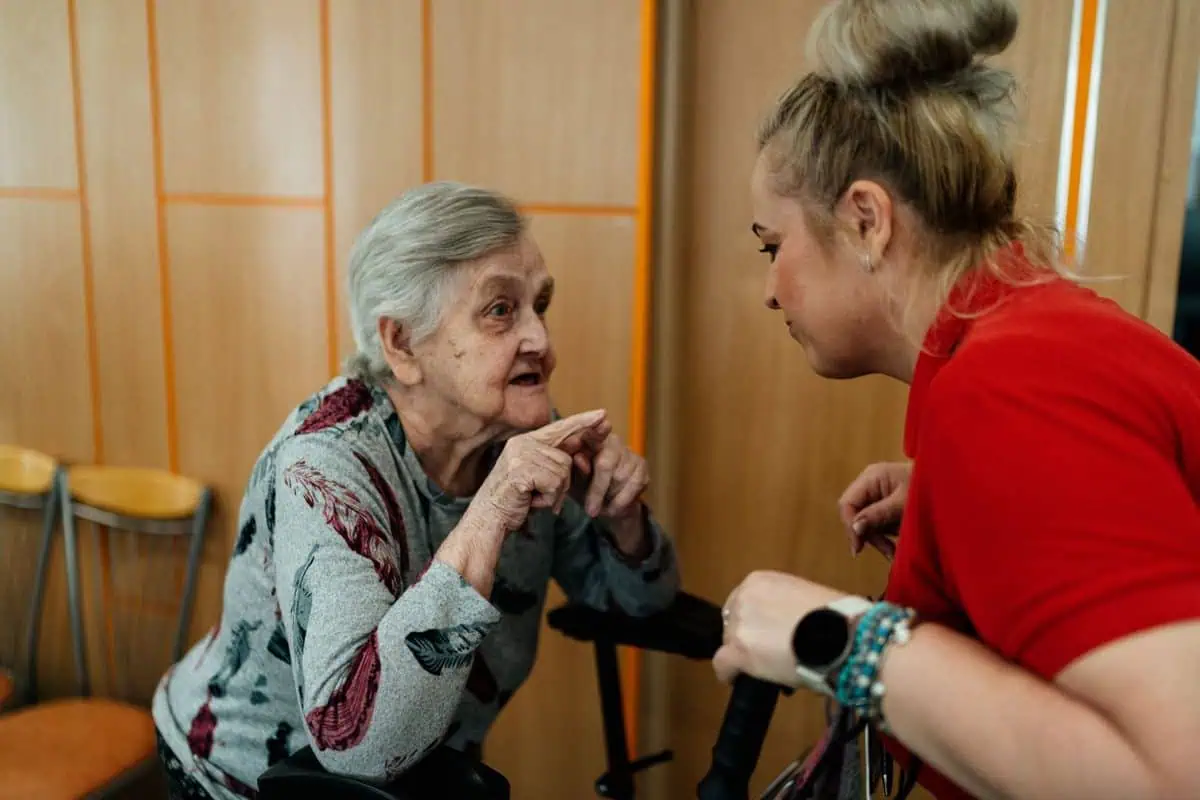
Have an honest conversation before the ACAT assessment
For many older people, the greatest worry is losing control. They may fear that an ACAT assessment means they will be forced to move into an aged care home. It does not. The assessment identifies eligibility and recommendations; it does not compel a person to accept a service or enter residential care.
Explain the appointment in respectful, practical terms. You might say that someone is coming to talk about what support could make life easier and safer. Avoid framing it as an inspection or a decision that has already been made without them.
If family members hold different views, try to discuss this before the assessor arrives. One person may feel their parent needs residential care immediately, while another believes more help at home is enough. Those differences are common, and they do not need to be hidden. However, a calm, shared understanding of the immediate concerns will make the appointment less confronting.
Where conflict is significant, it can help to seek independent guidance before the assessment. A clear plan can protect the older person’s voice while ensuring the family does not minimise genuine safety concerns.
Be truthful about support needs, not hopeful about potential
People are often proud and understandably reluctant to accept help. During an assessment, they may say they can cook, shower or manage medication because they have done so in the past. Family members can make the opposite mistake and speak over them entirely.
The most useful approach is respectful honesty. Describe what the person can do independently, what they can do only with prompting or supervision, and what someone else has to do for them. If they can make a cup of tea but cannot safely prepare a full meal, say so. If they shower only when their daughter is there to remind them, that is relevant.
Do not assume the assessor knows the home environment either. Mention steep stairs, a narrow bathroom, poor lighting, a long driveway, an isolated location or a carer who works full-time. Practical circumstances can influence which services are realistic.
Questions to ask during the assessment
The assessor should explain the process and the likely next steps, but it is reasonable to ask questions if anything is unclear. Ask which services the person may be eligible for, what level of support is recommended, whether respite is an option and what needs to happen after a decision is made.
If residential aged care is being considered, ask whether the assessment approval covers permanent care, respite care or both. These approvals can have different purposes, and understanding them early can prevent delays when a vacancy becomes available.
It is also useful to ask what to do if the person’s condition changes while waiting for services. Needs can increase quickly after a hospital admission, fall, stroke or dementia diagnosis. Keep contact details and ask how the assessment outcome will be provided.
What happens after an ACAT assessment?
Following the assessment, you should receive information about the outcome and any approvals. An approval is an important step, but it is not the same as having services arranged. There may still be wait times, provider choices, fees to understand and practical decisions about care.
For home-based support, the next challenge is often finding a provider that can meet the person’s needs, communicate well with the family and offer suitable services in their area. For residential care, families may need to compare homes, understand accommodation costs, review agreements and respond quickly when a suitable place is offered.
This is where many families feel overwhelmed. The assessment may confirm that more care is needed, but it does not remove the emotional weight of deciding what that care should look like. Take the time to consider the person’s preferences, cultural needs, relationships, budget and location, alongside clinical care requirements.
When preparation needs to happen quickly
Not every family has weeks to prepare. If someone is in hospital and discharge is being discussed, focus on the essentials: current medical information, the realities of the home environment, who can provide support and what is no longer safe or manageable.
Do not agree to a plan simply because you feel pressured to make a quick decision. At the same time, be open about urgency. If a spouse can no longer provide care, or the person cannot return home safely, say this clearly. Honest information helps the assessor make recommendations based on the situation as it truly is, not as everyone wishes it could be.
Aged care decisions are rarely just administrative. They involve independence, family roles, finances and grief for the life that is changing. Preparing well for an ACAT assessment gives your loved one the best chance of being heard and gives your family a firmer foundation for the decisions ahead. If you are unsure how to present the situation or what to do after the outcome, experienced local guidance can help turn a difficult conversation into a practical next step.
Assessments are requested through the government’s My Aged Care website, and starting early gives your family more time to prepare.
If you are worried about a parent or partner in Perth or WA, you do not have to work it out alone. Contact All About Aged Care or call Lewis on 0408 093 298 for free, independent guidance on aged care in Perth, from extra support at home through to residential care.
Prepare for an ACAT assessment: frequently asked questions
What is an ACAT assessment in WA?
An Aged Care Assessment Team (ACAT) assessment looks at a person’s health, daily abilities and support needs to work out which government-subsidised aged care services they are eligible for. That can include home support through the Support at Home program (which replaced Home Care Packages in November 2025), respite care, transition care or residential aged care.
Is an ACAT assessment free?
Yes. The assessment is free, and it is not a test that someone can pass or fail. Its purpose is to give the assessor an honest picture of daily life so the right level of support can be recommended.
Who should come to the assessment?
Where possible, bring a close family member, carer, guardian or trusted support person. They can fill in details that may be forgotten, especially if there are memory concerns, hearing difficulties or anxiety about unfamiliar appointments.
What should I bring to an ACAT assessment?
Bring the person’s Medicare card, any My Aged Care referral details, a current medication list, recent hospital discharge paperwork, relevant specialist letters, GP contact details and copies of any enduring power of attorney or guardianship documents. A short care diary covering falls, missed medication, confusion and the help family provide is also valuable.
What if the assessment has to happen quickly?
If someone is in hospital and discharge is close, focus on the essentials: current medical information, the realities of the home, who can provide support and what is no longer safe. Be open about urgency without agreeing to a plan only because you feel pressured. An independent adviser can help you present the situation and understand the outcome.
